
Why Is Sand Washing Out Between My Pavers After Heavy Rain in Florida?
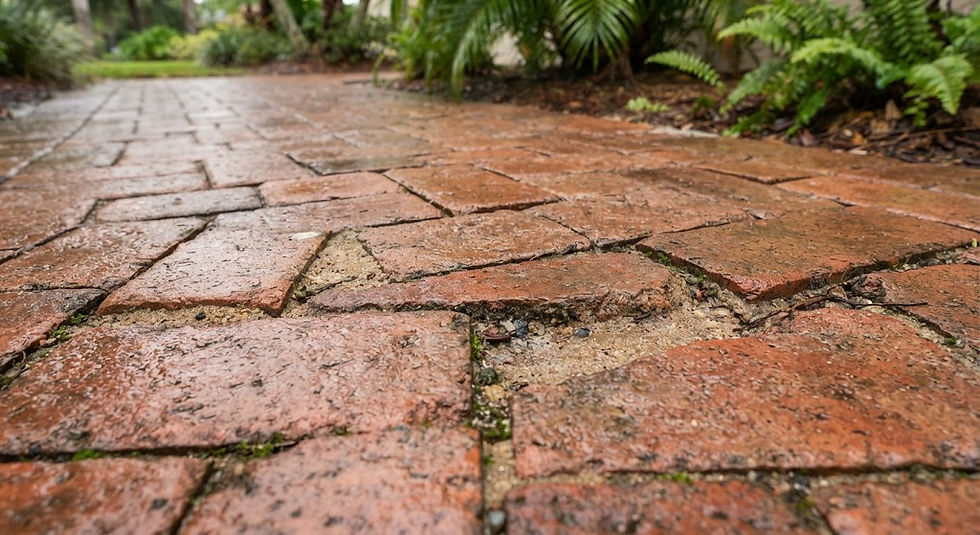
Florida rain can be tough on outdoor surfaces, especially brick pavers. If you have started noticing that the sand between your pavers seems lower than before, or you see bare joints after a storm, you are not imagining it. Sand washing out between pavers is a common problem in Florida, especially during the rainy season when frequent downpours, standing water, and runoff put extra pressure on paver joints.
The good news is that this issue can usually be corrected before it turns into a larger and more expensive repair. In many cases, the problem starts with worn joint sand, drainage issues, aging surfaces, or pavers that were never properly sealed after installation.
For homeowners in Central Florida, understanding why paver joint sand washes out can help you protect your driveway, patio, pool deck, or walkway before weeds, movement, and surface damage get worse.
Quick Answer
Sand washes out between pavers after heavy rain in Florida because intense water flow, poor drainage, worn-out joints, lack of sealing, and natural erosion slowly remove the joint sand that helps keep the pavers stable. When the sand gets too low, pavers can loosen, shift, collect moisture, and become more vulnerable to weeds and surface wear.
Why Joint Sand Matters in Brick Paver Systems
Joint sand does more than fill the spaces between pavers. It plays an important role in helping the paver system stay stable. The sand helps lock the pavers together, reduces movement, and limits the amount of debris and weed growth that can build up in the joints.
When that sand starts disappearing, the paver surface becomes more vulnerable. You may start to notice:
uneven joints
loose or shifting pavers
small weeds or grass growing between the cracks
more dirt buildup
minor surface settling
water collecting in certain areas
If left alone, low joint sand can eventually lead to a bigger need for brick paver restoration.

What Causes Sand to Wash Out Between Pavers After Heavy Rain?
There is usually not just one reason. In Florida, several conditions often work together.
1. Heavy Rainfall and Frequent Storms
Florida storms can dump a lot of water in a short amount of time. When rain falls hard and fast, it can push joint sand out of place, especially in exposed driveways, walkways, and sloped surfaces.
This is even more common during the late summer and hurricane season, when repeated storms keep the paver surface wet and stressed.
2. Poor Drainage
If water does not drain properly, it will move across the paver surface or sit in low areas. That water movement gradually pulls sand out from the joints. Areas near downspouts, edges, slopes, and low spots are often the first places to show sand loss.
3. Lack of Sealing
A quality paver sealer helps protect the paver surface and can help stabilize joint sand when properly installed. If pavers were never sealed, or if the sealer has worn off over time, the sand is more exposed to rainfall and erosion.
4. Aging Joint Sand
Over time, sun, foot traffic, pressure washing, rain, and general weather exposure break down the sand between pavers. Even if the pavers still look good from a distance, the joints may already be weak.
5. Cleaning Methods That Disturb the Joints
Pressure washing can be useful when done correctly, but aggressive washing can remove joint sand too quickly. If the pavers were cleaned without proper re-sanding afterward, heavy rain can make the problem more obvious.
Signs Your Paver Joint Sand Is Washing Out
Sometimes the problem is easy to see. Other times, it starts slowly.
Here are some common warning signs:
The joints look lower than before
Sand gathers near the edges of the driveway or patio
You notice gaps between pavers
Weeds or moss begin growing in the joints
Pavers feel loose underfoot
Water sits longer on the surface after rain
Certain areas start looking uneven or slightly sunken
If you are seeing one or more of these signs, it may be time for paver re-sanding or a more complete brick paver restoration service.

Can Sand Loss Damage Your Pavers?
Yes, it can lead to bigger issues over time.
When joint sand disappears, the pavers lose some of the support that helps them stay tightly in place. That does not always mean immediate major damage, but it can create the conditions for future problems such as:
paver shifting
edge separation
weed growth
insect activity in the joints
faster surface wear
drainage problems
trip hazards in more advanced cases
That is why homeowners should not ignore low or missing joint sand. Catching it early usually means the repair process is simpler and more affordable.
How to Fix Sand Washing Out Between Pavers
The right solution depends on the condition of the pavers and how much sand loss has already happened.
Professional Cleaning
A proper cleaning removes dirt, algae, organic buildup, and debris from the paver surface and joints. This helps prepare the area for fresh joint sand.
Re-Sanding the Joints
After cleaning, fresh joint sand is placed back into the joints. This is one of the most important steps in restoring the stability of the paver surface.
Brick Paver Restoration
If the pavers show broader signs of wear, settling, staining, or surface aging, a full brick paver restoration may be the better option. This can include deep cleaning, re-sanding, repairs, and surface treatment.
Paver Sealing
Once the surface is properly cleaned and re-sanded, sealing can help protect the pavers and support longer-lasting performance. A professionally applied sealer can improve appearance, help reduce future erosion, and make maintenance easier.
For many Florida homeowners, the best long-term approach is cleaning + re-sanding + sealing.

How Florida Homeowners Can Help Prevent Future Sand Washout
You cannot stop the rain, but you can reduce the chances of continued sand loss.
Here are a few smart maintenance steps:
Check drainage around your pavers
Make sure water is not constantly running across the surface from gutters, downspouts, or low-grading areas.
Avoid overly aggressive pressure washing
Improper cleaning can remove good joint sand and speed up erosion.
Inspect the joints after major storms
After heavy rain, look for bare spots, low joints, or signs that sand has moved.
Schedule maintenance before the problem grows
If you notice recurring washout, shifting, or weed growth, it may be time for professional attention.
Reseal when needed
Sealer does not last forever in Florida’s climate. Over time, sun, rain, and traffic wear it down.
For seasonal preparedness, homeowners can also stay informed through trusted weather resources like NOAA and National Weather Service pages for Florida storm activity and heavy rainfall awareness.
When to Call a Professional for Paver Re-Sanding or Restoration
If the sand loss is only minor, some homeowners may notice it early. But when the same areas keep washing out, or when the pavers are already showing movement, weeds, or wear, it is usually best to have the system evaluated by a professional.
A professional can determine:
whether the issue is only low joint sand
whether drainage is contributing
whether cleaning damaged the joints
whether re-sanding is enough
or whether the area needs a more complete restoration and sealing service
For Florida properties, this matters even more because repeated rain and humidity can make paver issues escalate faster than many homeowners expect.
Protect Your Florida Pavers Before the Problem Gets Worse
If sand is washing out between your pavers after heavy rain, it is usually a sign that the surface needs attention, not just a quick cosmetic fix. The sooner the joints are cleaned, re-sanded, and protected, the better chance you have of avoiding shifting, weed growth, and more costly repairs later.
At Premier Coatings, we help Florida homeowners restore and protect their outdoor paver surfaces with professional brick paver cleaning, re-sanding, restoration, and sealing services. If your driveway, patio, walkway, or pool deck is showing signs of joint sand loss, now is a good time to address it before the next round of heavy rain.
Frequently Asked Questions About Sand Washing Out Between Pavers in Florida
Why is the sand between my pavers disappearing?
The sand between pavers can disappear because of heavy rain, poor drainage, aging joints, traffic, and surface wear. In Florida, frequent storms and runoff often speed up this process.
Is it normal for rain to wash out paver sand?
Some minor erosion can happen over time, but noticeable or repeated sand washout usually means the joints need maintenance, re-sanding, or sealing.
Can pressure washing remove sand between pavers?
Yes. If pressure washing is too strong or done incorrectly, it can remove joint sand and leave the paver surface more vulnerable to erosion and weed growth.
How do you fix washed-out sand between pavers?
The usual fix involves cleaning the surface, adding fresh joint sand, and in many cases sealing the pavers to help protect the surface and support the joints.
Do pavers need sealing in Florida?
Sealing is not always mandatory, but it is highly recommended in Florida because rain, humidity, UV exposure, and storms can wear down pavers faster over time.
When should I call a professional for paver restoration?
You should call a professional paver sealer in Florida if the sand keeps washing out, weeds are growing in the joints, pavers are shifting, or the surface looks uneven or worn.


Comments